by Editor | 7 Jul 2026 | Naseef Naeem
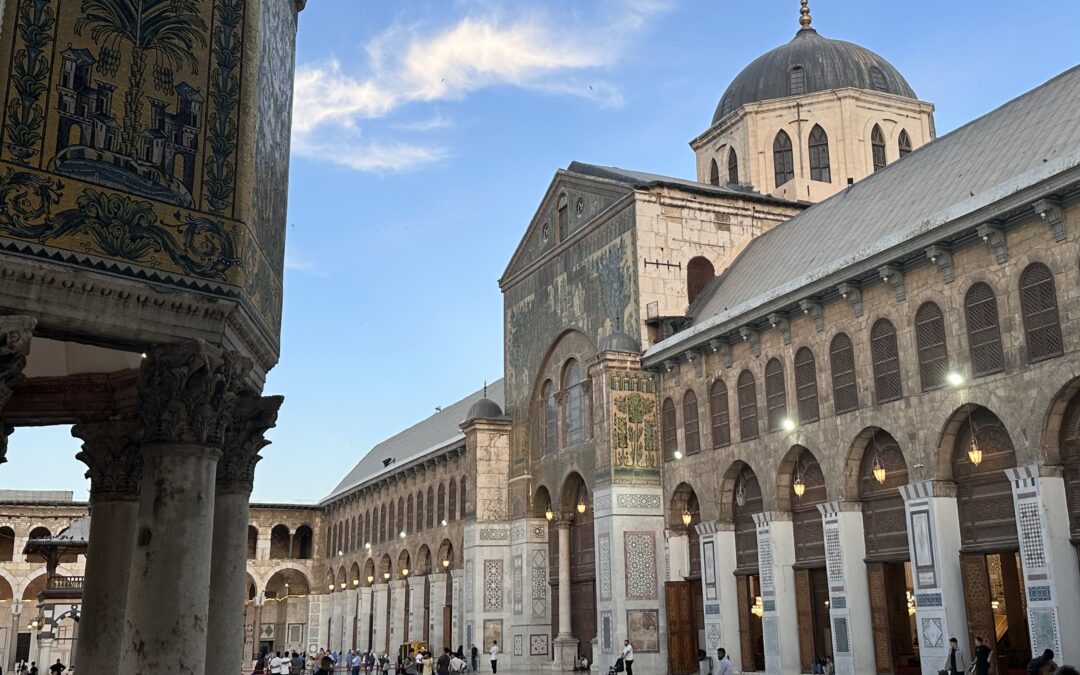
POLICY BRIEF17 July 2026Dr Naeem illustrates how In Syria, compliance with Damascus is necessary but never sufficient. A decade of war has left a state that is centralised on paper and fragmented in practice, where real authority is still as personal and regional as it is institutional. An investor who routes everything through the capital, assuming it can deliver the governorates, will fail. Those who succeed will read who actually holds power on the ground — at the centre and locally — and design projects that serve both interests from the first day.
by Editor | 5 Jun 2026 | Kate Dourian
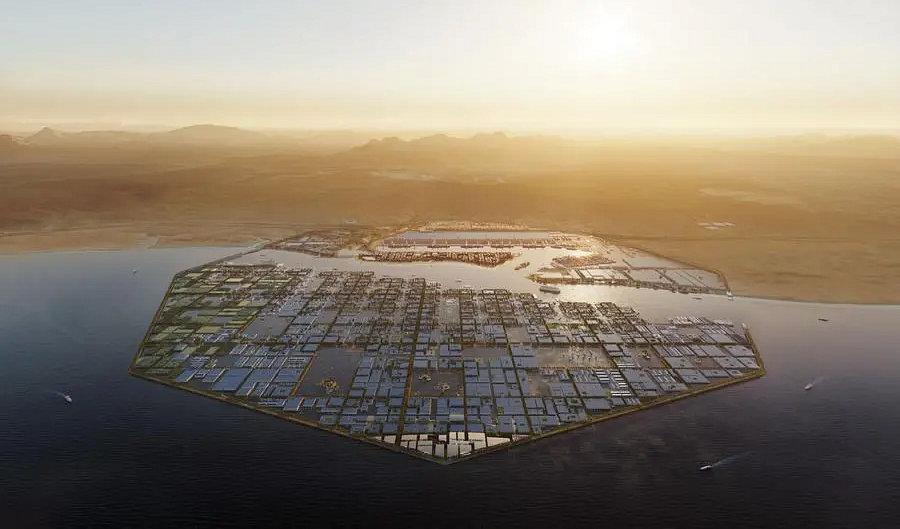
POLICY BRIEF5 June 2026Energy Institute Fellow Kate Dourian walks us through Saudi Arabia’s energy transformation, one driven by economic logic as much as climate ambition: every barrel no longer burned domestically is a barrel available for export. With electricity demand growing at 7.9% in 2025 to a record 349 TWh, the pressure to restructure the power system is acute. The kingdom’s objective of 100 to 130 GW of renewables by 2030, world-record solar tariffs, and a battery storage rollout that would rank it third globally has seen it overtake the UAE as the Gulf’s leading renewables market. The Hormuz disruption of 2026 confirmed that renewables are a security asset as much as a decarbonisation tool, a lesson Europe learnt in 2022. For European policymakers, Saudi Arabia is now positioning itself as a long-term supplier of green hydrogen to European markets, with active engagement in EU certification frameworks signalling a choice to build regulatory convergence, not simply to comply with it.

by Editor | 1 Jan 2023 | Nicolas Dunais, Jean-François Seznec
RESEARCH REPORT1 January 2023Dr Jean-Francois Seznec and Azal Advisors principal Nicolas Dunais assess how an oil-backed digital currency could provide Gulf hydrocarbon exporters partial monetary policy independence and enhanced global influence in a context of strategic competition between China and the United States and de-dollarization.

by Editor | 2 Aug 2021 | Narayanappa Janardhan, Nicolas Dunais
RESEARCH REPORT2 August 2021Dr Janardhan from the UAE’s Anwar Gargash Diplomatic Academy, and Azal Advisors’ Nicolas Dunais assess the growing competition between China and India, driven by territorial disputes and China’s growing strategic dominance and assertiveness. Both countries are also increasing their demand for energy and raw materials to fuel their economic growth. In this report, the authors argue that Gulf policymakers should pursue a balanced relationship with China and India, avoid “picking sides”, and where possible, encourage them to cooperate rather than compete in the commercial and security realms.
by Editor | 18 Mar 2021 | Michael Stephens
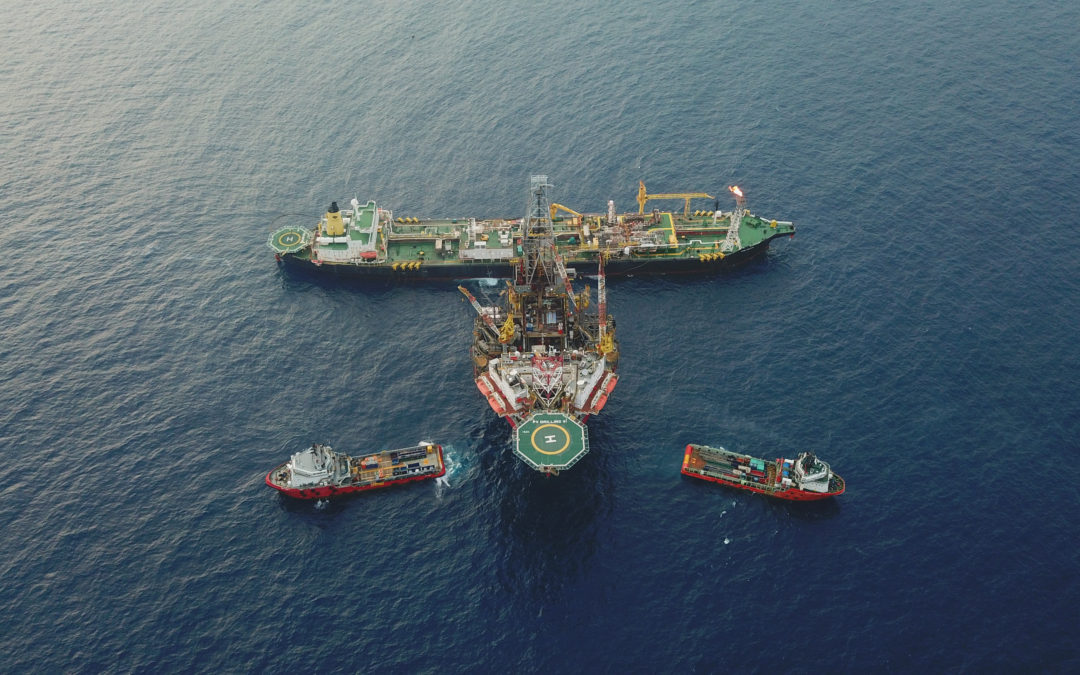
POLICY BRIEF18 March 2021The Eastern Mediterranean continues to be an area of growing importance for some GCC States, on the back of commercial interests, political antagonism, and broader security concerns. In the last years, Gulf involvement has weighed more heavily towards the security dimension, in no small part due to the projection of the GCC rift into the region. Yet if Gulf Arab States are to reap the dividends of their much-needed investments in the region’s commercial infrastructure, it will be in their interest to minimize military posturing and focus instead on economic partnerships.