by maildunais | 1 Nov 2020 | Kate Dourian
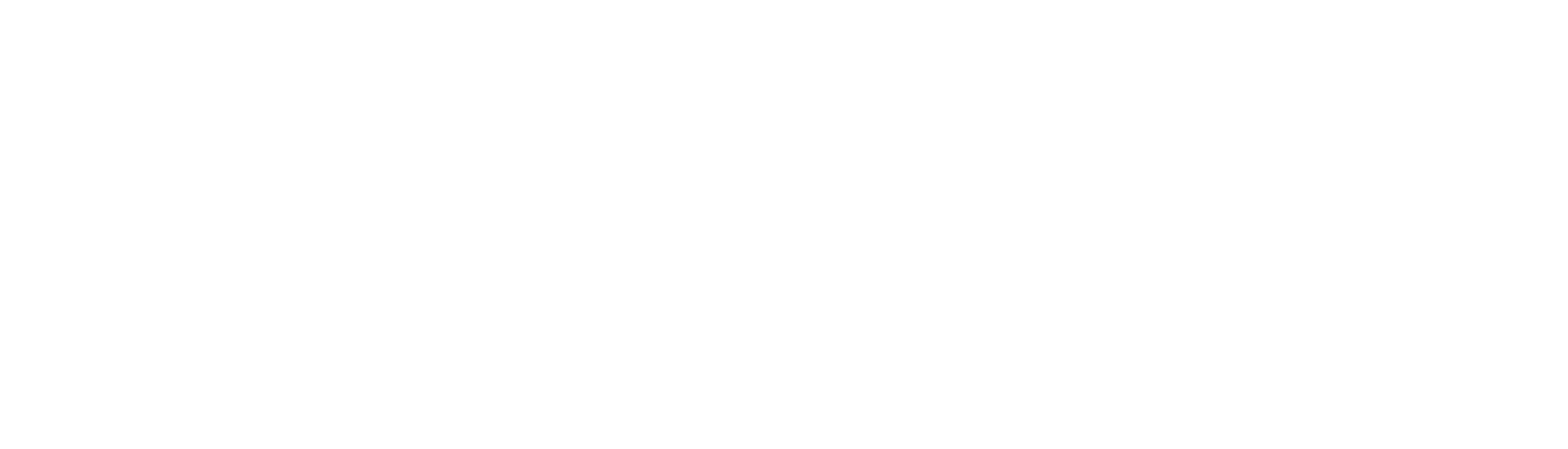
POLICY BRIEF1 November 2020Covid-19 has accelerated the will of many countries to engage in a “green recovery” with a reduced reliance on fossil fuels and in particular oil and coal. Given the abundant gas reserves in the Gulf and Eastern Mediterranean, and the need for a pragmatic approach to climate change mitigation, Gulf countries could lead the development of a regional gas-grid.
by maildunais | 7 Oct 2020 | Bernard Haykel
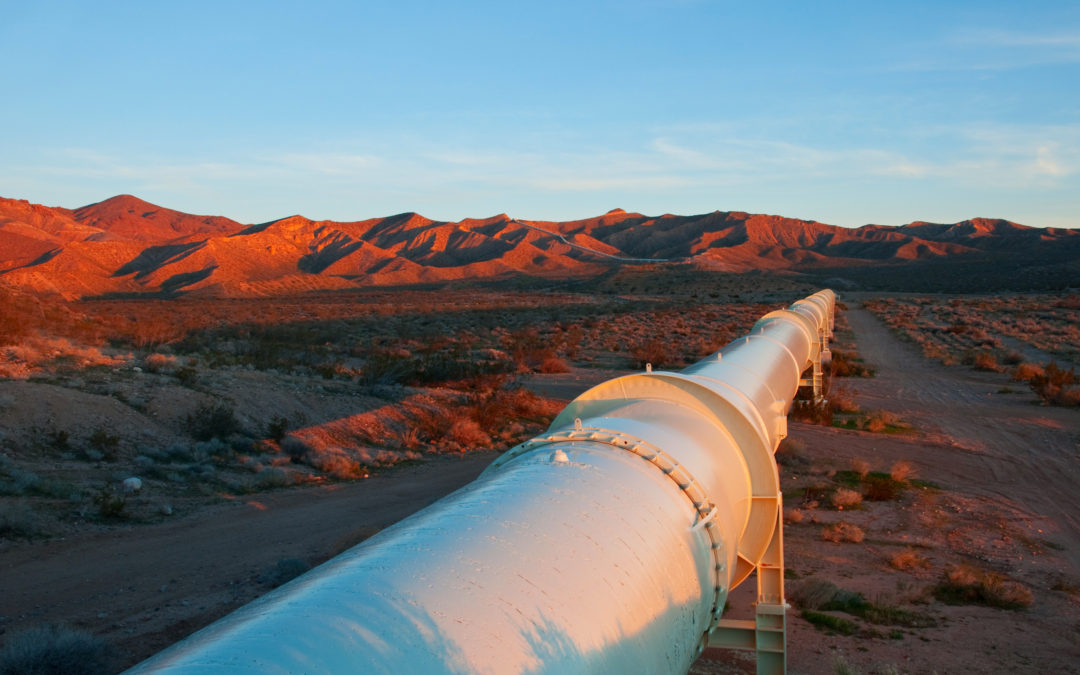
POLICY BRIEF7 October 2020The US elections present the GCC countries with potential challenges regardless of the outcome. On balance, the Gulf states would prefer a Donald Trump victory because it is easier to deal with an incumbent leader, who, despite being transactional and capricious, is still committed to the view that Saudi Arabia and the other GCC states are strategic allies and that the US has vital interests in the region that need protecting.

by maildunais | 28 Sep 2020 | Steffen Hertog
POLICY BRIEF28 September 2020A growing number of countries globally are considering and sometimes experimenting with Universal Basic Income (UBI), as an instrument for wealth distribution and social equity. GCC states could be the ideal testing ground for new distributional policies such as UBI which could reduce the fiscal burden of an over-extended public sector workforce while maintaining the social contract.
by maildunais | 7 Aug 2020 | Steffen Hertog
POLICY BRIEF7 August 2020The GCC pursues economic diversification with real assets — mature bureaucracies, strong infrastructure, ample capital — yet faces constraints found nowhere else, and often misread by policy-makers and their advisors. The region’s unusually generous social contract, with roughly 70 percent of citizens’ jobs in government, has pushed national wages well above productivity and left the tradables sector uncompetitive. Conventional industrialisation on cheap labour is closed off; leapfrogging into advanced production is hard and rarely achieved. There is no blueprint, and the international benchmarking consultants favour is of limited relevance. Diversification will instead demand cautious experimentation and a gradual, politically delicate reformulation of the social contract — reducing distortions while preserving the living standards citizens have come to expect. The fiscal runway to manage that transition is real but, at current oil prices, narrowing.
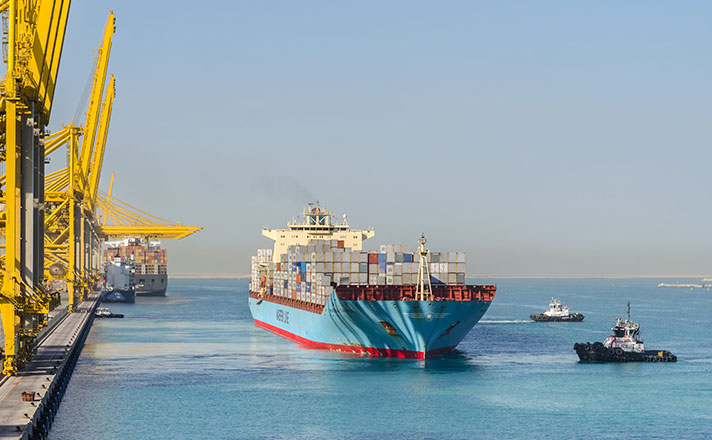
by maildunais | 28 Feb 2020 | Martin Keulertz
POLICY BRIEF28 February 2020China’s Belt and Road Initiative places the Middle East on the Western axis of the most ambitious infrastructure project in modern history, and the GCC at its energy heart. The opportunity is a new geopolitical role: the Gulf can use its location and its position as key energy supplier to China and Africa to establish itself as a political actor in its own right, akin to Europe or North America. But the risks scale with the prize — a busier Strait of Hormuz, maritime security exposure across the Arabian and Red Seas, sharpened GCC-Iran rivalry, and the competing presences of Washington, Beijing, Moscow and Ankara converging on the region. Whether the Gulf emerges as a global player or a contested corridor will depend on how deliberately it steers the Middle East through the transition.