by Editor | 26 Jan 2021 | Martin Keulertz
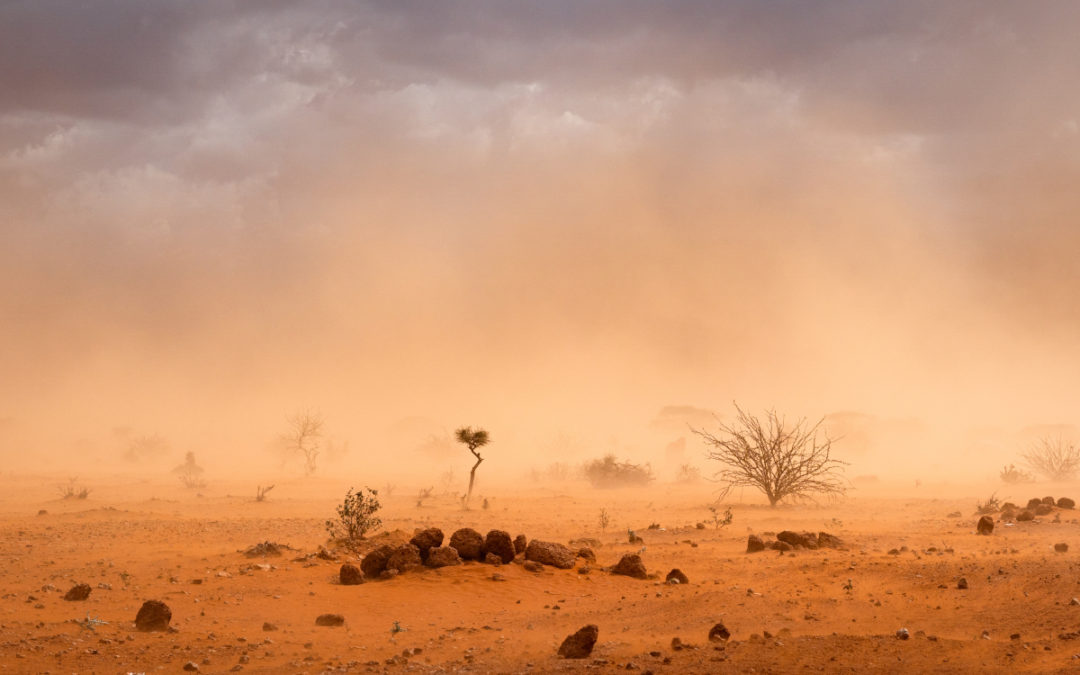
POLICY BRIEF26 January 2021While GCC states have proven food-resilient during Covid-19, the looming effects of climate change on food security warrant efforts to develop adapted environmental and trade policies. In particular, GCC states need to place more emphasis on trade relations, yet also understanding the climate risks in producing countries to ensure future supply chain sustainability and thus food security.
by Editor | 28 Feb 2020 | Martin Keulertz
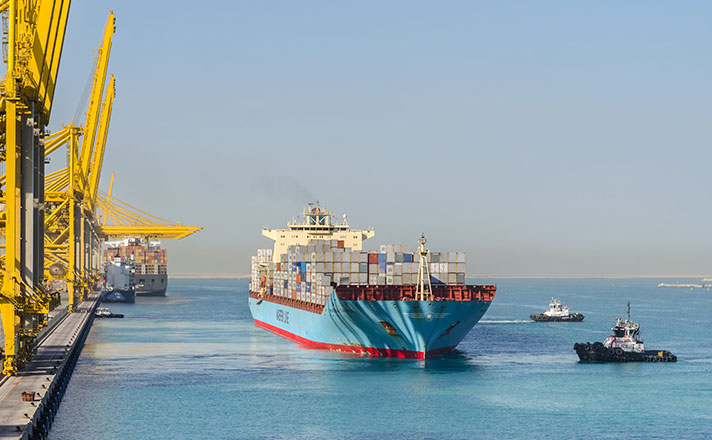
POLICY BRIEF28 February 2020China’s Belt and Road Initiative places the Middle East on the Western axis of the most ambitious infrastructure project in modern history, and the GCC at its energy heart. The opportunity is a new geopolitical role: the Gulf can use its location and its position as key energy supplier to China and Africa to establish itself as a political actor in its own right, akin to Europe or North America. But the risks scale with the prize — a busier Strait of Hormuz, maritime security exposure across the Arabian and Red Seas, sharpened GCC-Iran rivalry, and the competing presences of Washington, Beijing, Moscow and Ankara converging on the region. Whether the Gulf emerges as a global player or a contested corridor will depend on how deliberately it steers the Middle East through the transition.