by maildunais | 5 Jun 2026 | Kate Dourian
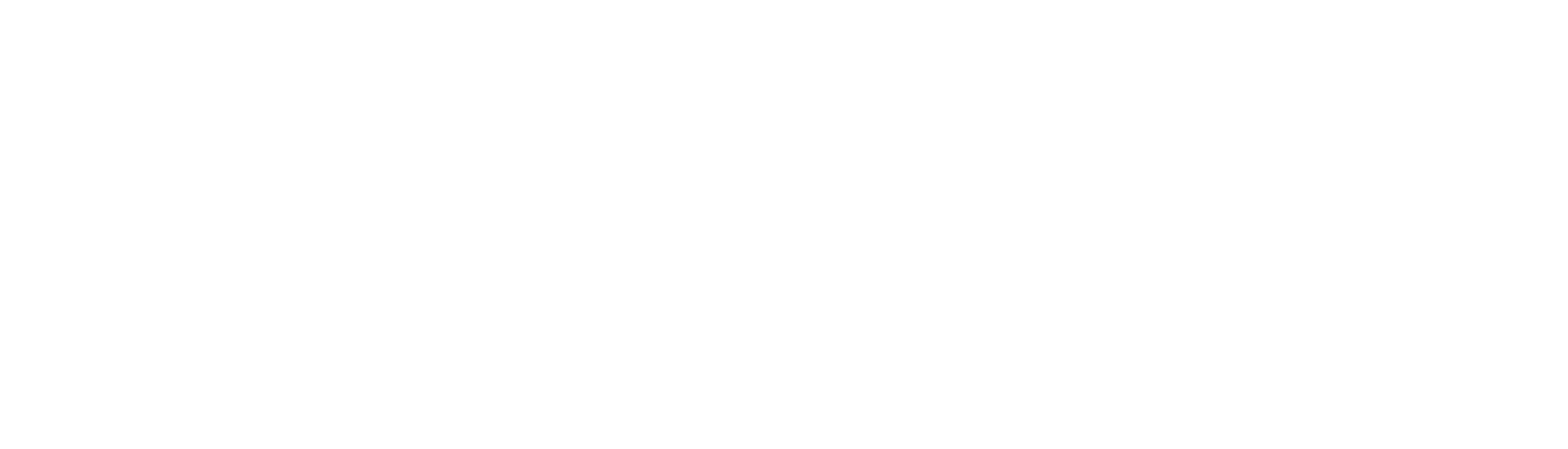
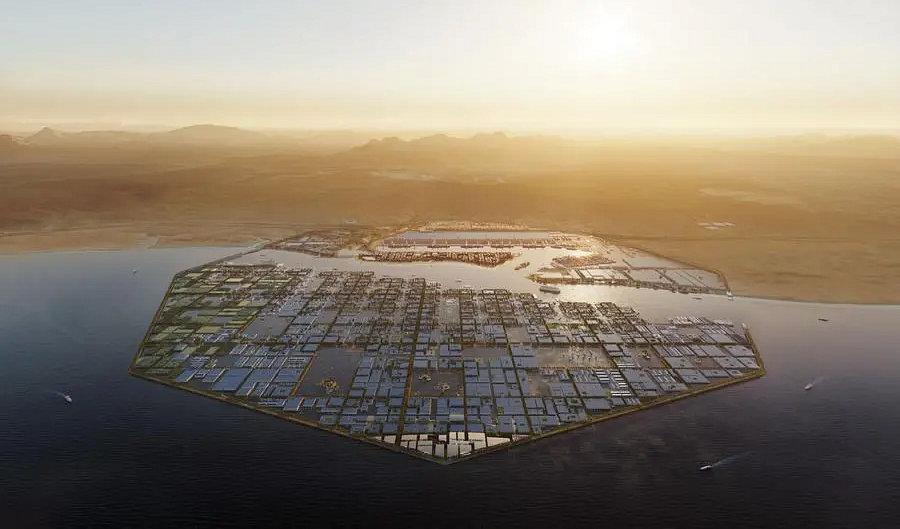
POLICY BRIEF5 June 2026Saudi Arabia’s energy transformation is driven by economic logic as much as climate ambition: every barrel no longer burned domestically is a barrel available for export. With electricity demand growing at 7.9% in 2025 to a record 349 TWh, the pressure to restructure the power system is acute. The kingdom’s objective of 100 to 130 GW of renewables by 2030, world-record solar tariffs, and a battery storage rollout that would rank it third globally has seen it overtake the UAE as the Gulf’s leading renewables market. The Hormuz disruption of 2026 confirmed that renewables are a security asset as much as a decarbonisation tool, a lesson Europe learnt in 2022. For European policymakers, Saudi Arabia is now positioning itself as a long-term supplier of green hydrogen to European markets, with active engagement in EU certification frameworks signalling a choice to build regulatory convergence, not simply to comply with it.

by maildunais | 17 Mar 2021 | Stephen Seche
POLICY BRIEF7 April 2021While American interests in Yemen have for years focused sharply on counterterrorism, the rise of the Houthi movement has expanded these interests to protecting the territorial integrity of Saudi Arabia and securing adjacent maritime lanes essential for the flow of oil. The Biden Administration’s decision to re-engage diplomatically in efforts to resolve the Yemeni conflict represents an opportunity for Saudi Arabia and the broader GCC to work together towards a peaceful resolution, through a sustained engagement with all involved parties, including Iran, if recently resumed nuclear talks progress sufficiently to add regional-security issue to the agenda. While the United States can lead the engagement with Iran, Saudi Arabia and the broader GCC should be ready to play a major role in state-building and economic reconstruction once conditions enable it, including in the northern part of Yemen where marginalization of communities has been a contributing factor to the current crisis. This will also entail a recognition by GCC states of the limitations and constraints of current UN resolutions.
by maildunais | 28 Feb 2021 | Jean-François Seznec, Nicolas Dunais
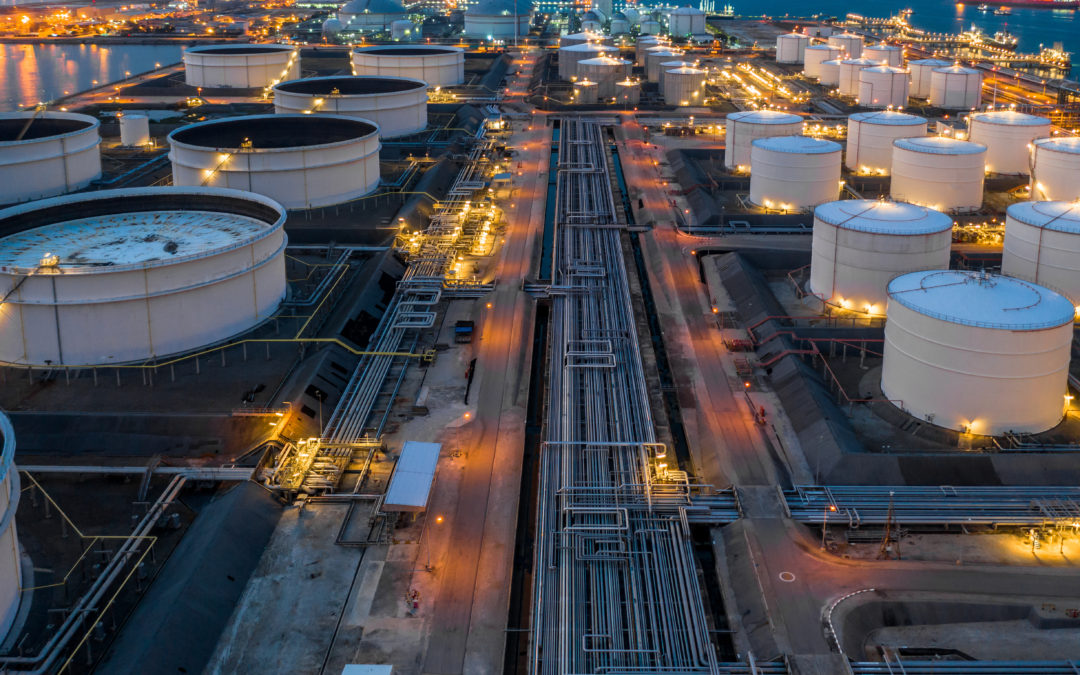
RESEARCH REPORT28 February 2021For the GCC’s oil & gas exporters, a shift towards the petro-yuan has long been perceived as detrimental to the strategic security partnership with the United States. In our latest report, the Atlantic Council’s Jean Francois Seznec and Azal Advisors Principal Nicolas Dunais argue that the combination of energy-flow rebalancing, loose US monetary policy, and financial reforms in China are paving the way for a broader acceptance of the renminbi by Gulf hydrocarbon exporters while minimizing risks to the relationship with the United States.
by maildunais | 7 Oct 2020 | Bernard Haykel
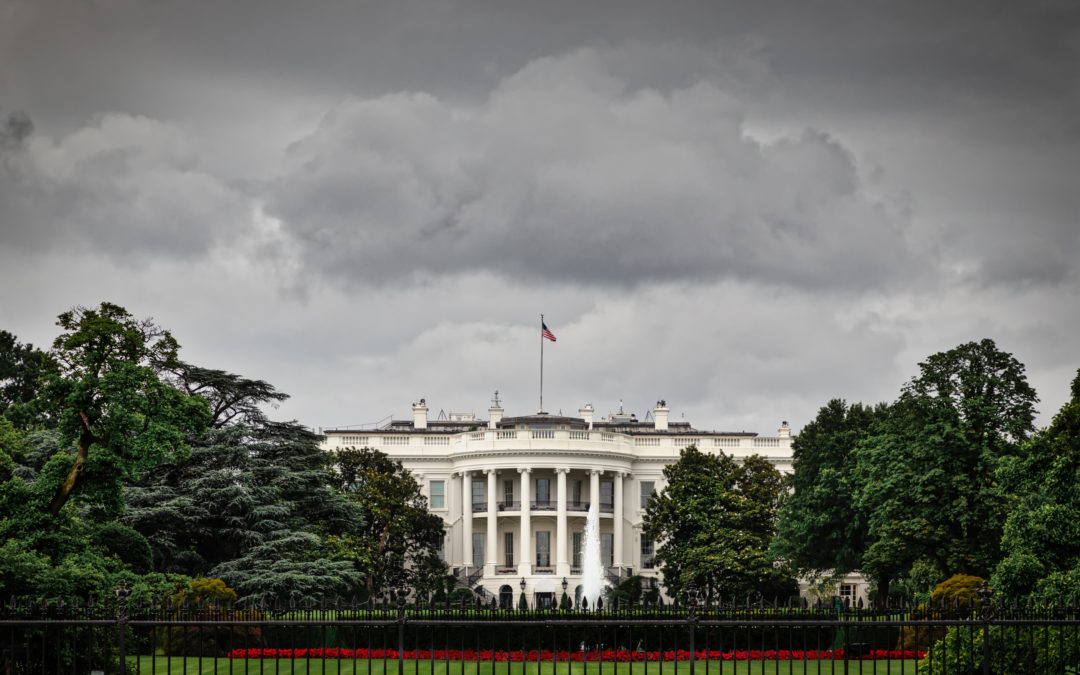
POLICY BRIEF7 October 2020The US elections present the GCC countries with potential challenges regardless of the outcome. On balance, the Gulf states would prefer a Donald Trump victory because it is easier to deal with an incumbent leader, who, despite being transactional and capricious, is still committed to the view that Saudi Arabia and the other GCC states are strategic allies and that the US has vital interests in the region that need protecting.

by maildunais | 28 Sep 2020 | Steffen Hertog
POLICY BRIEF28 September 2020A growing number of countries globally are considering and sometimes experimenting with Universal Basic Income (UBI), as an instrument for wealth distribution and social equity. GCC states could be the ideal testing ground for new distributional policies such as UBI which could reduce the fiscal burden of an over-extended public sector workforce while maintaining the social contract.