by maildunais | 5 Jun 2026 | Kate Dourian
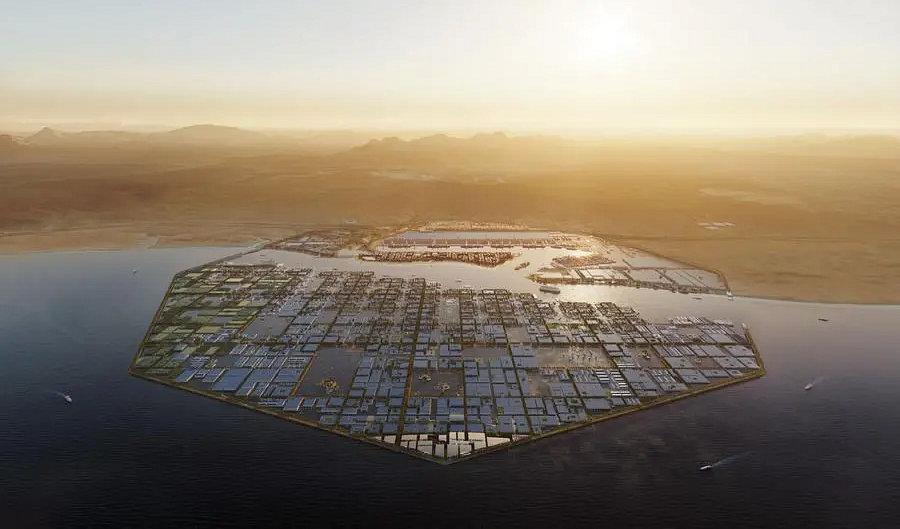
POLICY BRIEF5 June 2026Saudi Arabia’s energy transformation is driven by economic logic as much as climate ambition: every barrel no longer burned domestically is a barrel available for export. With electricity demand growing at 7.9% in 2025 to a record 349 TWh, the pressure to restructure the power system is acute. The kingdom’s objective of 100 to 130 GW of renewables by 2030, world-record solar tariffs, and a battery storage rollout that would rank it third globally has seen it overtake the UAE as the Gulf’s leading renewables market. The Hormuz disruption of 2026 confirmed that renewables are a security asset as much as a decarbonisation tool, a lesson Europe learnt in 2022. For European policymakers, Saudi Arabia is now positioning itself as a long-term supplier of green hydrogen to European markets, with active engagement in EU certification frameworks signalling a choice to build regulatory convergence, not simply to comply with it.

by maildunais | 1 Jan 2023 | Jean-François Seznec, Nicolas Dunais
RESEARCH REPORT1 January 2023Assessing how an oil-backed digital currency could provide Gulf hydrocarbon exporters partial monetary policy independence and enhanced global influence in a context of strategic competition between China and the United States and de-dollarization.
by maildunais | 28 Feb 2021 | Jean-François Seznec, Nicolas Dunais
RESEARCH REPORT28 February 2021For the GCC’s oil & gas exporters, a shift towards the petro-yuan has long been perceived as detrimental to the strategic security partnership with the United States. In our latest report, the Atlantic Council’s Jean Francois Seznec and Azal Advisors Principal Nicolas Dunais argue that the combination of energy-flow rebalancing, loose US monetary policy, and financial reforms in China are paving the way for a broader acceptance of the renminbi by Gulf hydrocarbon exporters while minimizing risks to the relationship with the United States.
by maildunais | 4 Dec 2020 | Giacomo Luciani
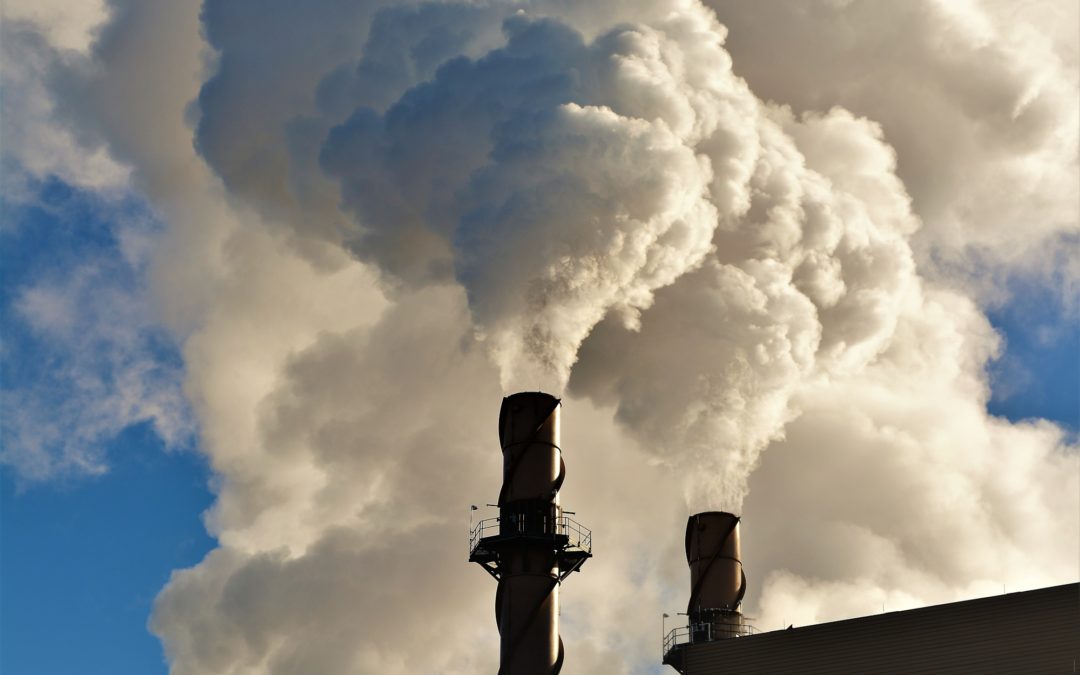
POLICY BRIEF4 December 2020The global trend to decarbonise economies is set to have a direct impact on the oil-exporting countries of the Gulf. The latter can however mitigate and potentially profit from this trend if they decisively act and invest in carbon capture use and sequestration (CCUS) technology, thus securing and projecting a long-term future for hydrocarbons as a valuable and sustainable economic resource.
by maildunais | 1 Nov 2020 | Kate Dourian
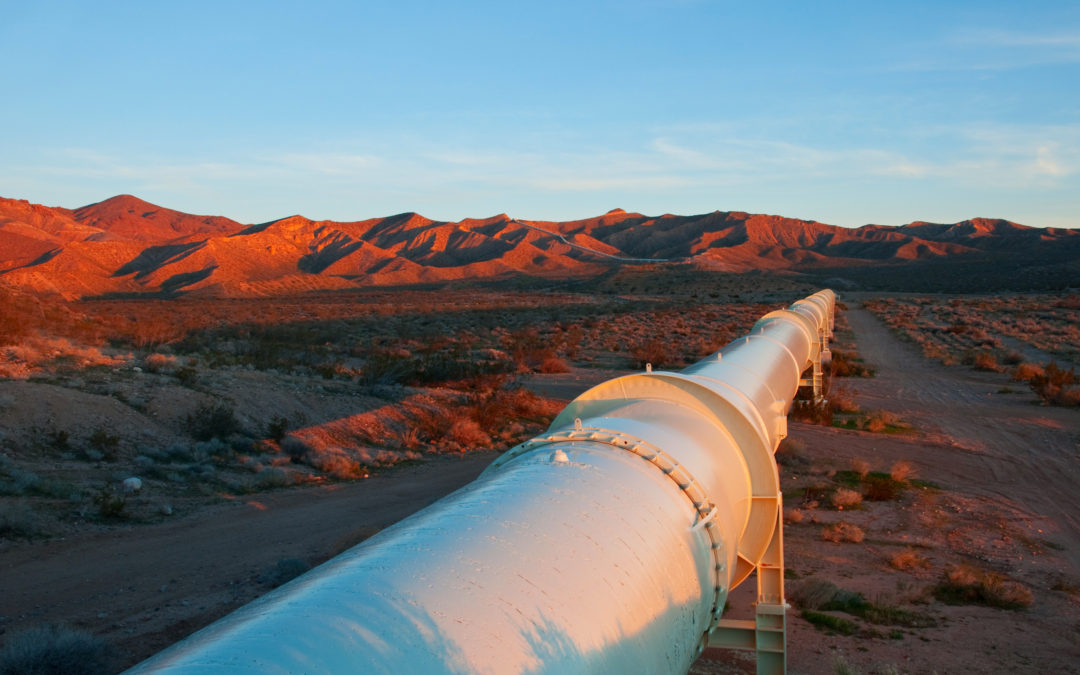
POLICY BRIEF1 November 2020Covid-19 has accelerated the will of many countries to engage in a “green recovery” with a reduced reliance on fossil fuels and in particular oil and coal. Given the abundant gas reserves in the Gulf and Eastern Mediterranean, and the need for a pragmatic approach to climate change mitigation, Gulf countries could lead the development of a regional gas-grid.